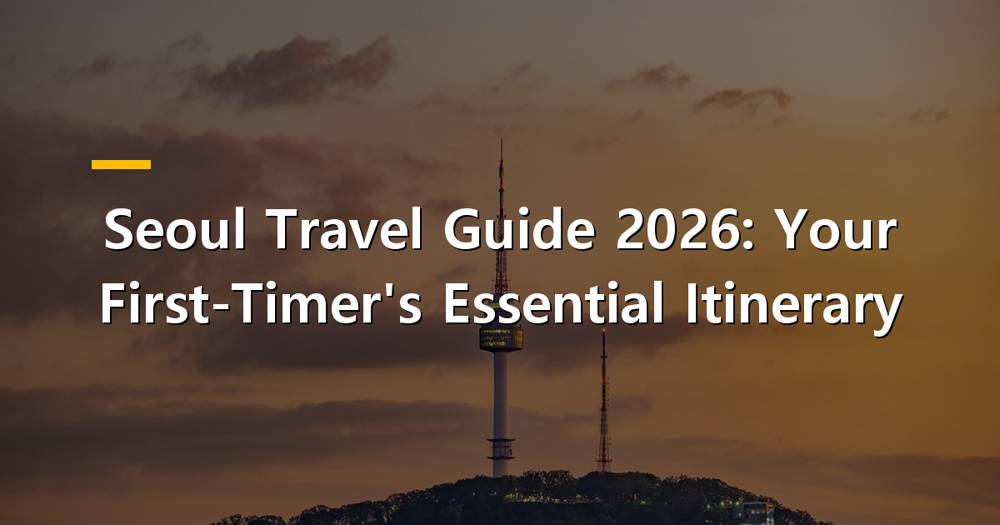
Seoul Travel Guide 2026: Your First-Timer's Essential Itinerary
Stepping into Seoul for the first time in 2026 is an adventure waiting to happen! I remember my first trip; I was overwhelmed by the sheer energy and the blend of ancient traditions with cutting-edge technology. This city truly has a unique pulse. This guide is crafted from my own experiences and insights to help you navigate your initial visit with confidence and excitement, ensuring you capture the essence of this incredible metropolis.
You'll find that Seoul offers something for absolutely everyone, from history buffs to foodies, shopaholics to K-Pop fans. It's a city that constantly evolves, yet proudly preserves its rich heritage. Let's map out your unforgettable journey!
Understanding Seoul: A Glimpse
Seoul, the vibrant capital of South Korea, is a city that brilliantly marries its imperial past with its dynamic present. Imagine walking through ancient palace grounds in the morning and then diving into a bustling street market filled with futuristic gadgets by afternoon. It's a metropolis of over 10 million people, a major global hub for finance, culture, and technology. The city is divided by the Han River, with distinct vibes on its north and south sides.
My first impression was the sheer cleanliness and efficiency, a stark contrast to some other large cities I'd visited. The blend of serene temples nestled beside towering skyscrapers creates a visually stunning landscape. It’s this captivating duality that makes Seoul such a unique destination for first-time visitors in 2026.
Essential Planning for 2026
Getting ready for your Seoul adventure in 2026 involves a few key steps to ensure a smooth and enjoyable trip. Think about the best time to visit; spring (April-May) and autumn (September-October) offer pleasant weather, perfect for exploring. I personally find autumn to be breathtaking with the changing foliage.
When it comes to accommodation, options range from luxurious hotels in Gangnam to charming guesthouses in Bukchon Hanok Village. Booking in advance is always a smart move, especially during peak seasons. Don't forget to look into travel insurance – it's a small cost for significant peace of mind.
For connectivity, consider getting a local SIM card or a portable Wi-Fi egg upon arrival. It made navigating and staying in touch incredibly easy for me, especially when I was trying to find specific restaurants or use translation apps.
Pro-Tip for 2026 Visitors
Consider purchasing a T-Money card immediately upon arrival. This rechargeable transportation card is essential for subways and buses, and can also be used in many convenience stores and taxis. It's a huge time-saver and incredibly convenient!
Top 10 Must-Visit Attractions
Seoul is packed with incredible sights, and it's easy to feel overwhelmed. Here’s my curated list of places that absolutely blew me away on my first visit, and I guarantee they'll do the same for you:
- Gyeongbokgung Palace: The largest and most beautiful of Seoul's Five Grand Palaces. Don't miss the changing of the guard ceremony!
- Changdeokgung Palace & Secret Garden: A UNESCO World Heritage site, known for its stunning natural integration with the architecture. The Secret Garden tour is a must.
- Bukchon Hanok Village: Wander through traditional Korean houses (hanoks) and soak in the historic atmosphere. It feels like stepping back in time.
- Namsan Seoul Tower: Offers panoramic views of the city. Go at sunset for a truly magical experience. The cable car ride up is fun too!
- Myeongdong: The ultimate shopping and street food paradise. Prepare for sensory overload in the best way possible.
- Insadong: Famous for traditional crafts, tea houses, and art galleries. A great place to pick up unique souvenirs.
- Dongdaemun Design Plaza (DDP): A futuristic architectural marvel, hosting exhibitions, fashion shows, and events. It's a symbol of modern Seoul.
- War Memorial of Korea: A poignant and informative museum detailing Korea's military history, including the Korean War.
- Gangnam District: Known globally for its upscale vibe, trendy shops, and K-Pop culture. Explore COEX Aquarium or Starfield Library.
- Hongdae: A youthful and vibrant area centered around Hongik University, brimming with street art, indie music, unique fashion boutiques, and lively cafes.
Savoring Seoul: Culinary Delights
Oh, the food! Seoul is a foodie's dream, and trying local dishes is as much a part of the experience as visiting the palaces. From sizzling Korean BBQ to comforting bibimbap, your taste buds are in for a treat. I still dream about the kimchi jjigae I had in a tiny local eatery – it was perfection.
Street food is an absolute must. Myeongdong is famous for its endless stalls offering everything from tteokbokki (spicy rice cakes) and odeng (fish cakes) to tornado potatoes and sweet crepes. For a more immersive experience, consider a guided food tour. It’s a fantastic way to discover hidden gems and learn about the dishes.
Don't be afraid to try everything! Even if you're not accustomed to spicy food, many places can adjust the heat level. And always leave room for dessert – Korean bakeries and cafes offer some of the most delightful sweet treats.
A Note on Spicy Food
Korean cuisine can be quite spicy! If you have a low tolerance for heat, be sure to ask for "maek-ji-geum-hae-yo" (not too spicy) or "ahn-ma-yeo" (not spicy at all). Most vendors will be happy to accommodate your preferences.
Navigating Seoul: Transportation Tips
Seoul's public transportation system is renowned for its efficiency, cleanliness, and affordability. The subway system is extensive, covering most major tourist areas and beyond. It's incredibly user-friendly, with signs and announcements often available in English.
Buses are also a great option, though they can be a bit trickier to navigate for first-timers due to route complexity. Taxis are readily available and relatively inexpensive, especially for shorter distances or when traveling with a group. I found them to be a lifesaver late at night when the subway was less frequent.
Walking is also a fantastic way to explore specific neighborhoods like Bukchon Hanok Village or Insadong. Wear comfortable shoes – you'll be doing a lot of exploring!
Using your T-Money card will simplify everything. Just tap it when you enter the subway gate or board a bus, and tap again when you exit buses. The system automatically calculates your fare, and transfers between subway and bus are often discounted.
Shopping Spree: Where to Find Treasures
Seoul is a shopper's paradise, catering to every budget and style. Myeongdong is the go-to for K-beauty products, trendy fashion, and cosmetics. You can easily spend hours here hopping between department stores and street stalls. I always stock up on skincare here!
For unique souvenirs and traditional crafts, Insadong is your best bet. You’ll find beautiful pottery, handmade accessories, and traditional Korean paper (hanji) products. Dongdaemun is famous for its late-night shopping malls, offering wholesale fashion and textiles. It’s a more intense, wholesale-focused experience.
Gangnam provides a more upscale shopping experience with high-end designer brands and luxury boutiques. If you're looking for something truly unique and trendy, the underground shopping centers like Goto Mall (Express Bus Terminal) offer a massive variety of affordable clothing and accessories. It’s a fantastic place to find bargains.
Understanding Korean Culture & Etiquette
Showing respect for local customs will greatly enhance your experience. Koreans value politeness and hierarchy. When greeting someone older or in a position of authority, a slight bow is customary. Using two hands when giving or receiving items, like a business card or money, is also a sign of respect.
Dining etiquette involves waiting for elders to start eating first. Chopsticks should be placed on the side of your bowl when not in use, never stuck upright in rice. It’s considered impolite to speak loudly or be excessively boisterous in public spaces. I found that observing locals and adopting a more reserved demeanor in certain situations went a long way.
Tipping is generally not expected in Korea, and service charges are usually included in the bill. However, for exceptional service, a small tip is always appreciated. Understanding these nuances will help you interact more comfortably and respectfully with the locals.
A Sample 5-Day Itinerary
This is just a suggestion, and you can absolutely tailor it to your interests! I tried to balance historical sites, modern attractions, food, and shopping.
Day 1: Royal Palaces & Traditional Charm
- Morning: Explore Gyeongbokgung Palace, watch the Royal Guard Changing Ceremony.
- Lunch: Enjoy a traditional Korean meal near the palace.
- Afternoon: Wander through Bukchon Hanok Village, visit Insadong for crafts and tea.
- Evening: Dinner in Insadong, explore the shops.
Day 2: Modern Marvels & City Views
- Morning: Visit Changdeokgung Palace and its Secret Garden (book tour in advance!).
- Lunch: Grab street food in Myeongdong.
- Afternoon: Shopping spree in Myeongdong, stock up on K-beauty.
- Evening: Ascend Namsan Seoul Tower for sunset views, enjoy dinner with a view.
Day 3: Culture & History
- Morning: Visit the War Memorial of Korea for a deep dive into history.
- Lunch: Explore the food options around Itaewon or Yongsan.
- Afternoon: Visit the Dongdaemun Design Plaza (DDP) for its architecture and exhibitions.
- Evening: Experience the vibrant nightlife and shopping in Dongdaemun.
Day 4: Youthful Vibes & Art
- Morning: Head to Hongdae, explore street art and unique boutiques.
- Lunch: Enjoy the diverse culinary scene in Hongdae.
- Afternoon: Visit a themed cafe or catch a street performance.
- Evening: Dinner in Hongdae, experience the youthful energy.
Day 5: Gangnam Style & Departure Prep
- Morning: Explore the upscale Gangnam district, visit Starfield Library.
- Lunch: Try a trendy cafe or restaurant in Gangnam.
- Afternoon: Last-minute souvenir shopping or revisit a favorite spot.
- Evening: Farewell dinner before heading to the airport.
Key Takeaways for Your First Seoul Trip
Seoul in 2026 promises an unforgettable experience for first-timers. Focus on the blend of ancient palaces and modern marvels, dive into the incredible food scene, and embrace the efficient public transport. Remember to be respectful of Korean culture, and don't be afraid to explore off the beaten path. Your adventure awaits!
Your Seoul Adventure Awaits!
Visiting Seoul for the first time is truly a special experience. It's a city that engages all your senses and leaves you with lasting memories. From the grandeur of its palaces to the energy of its streets, there's always something new to discover. I've tried to pack this guide with practical advice and personal touches to make your 2026 trip as smooth and exciting as possible.
Don't be afraid to get lost a little – sometimes that's where the best discoveries happen! Whether you're marveling at ancient history or diving into the latest K-trends, Seoul has a magic that's uniquely its own. I'm so excited for you to experience it!
Planning your trip to Seoul in 2026? Share your excitement or any questions you have in the comments below! Let's help each other make this the best trip ever.
Frequently Asked Questions
For first-timers in 2026, the most convenient ways to stay connected are by purchasing a local SIM card upon arrival at the airport or renting a portable Wi-Fi egg (Pocket WiFi). Many travelers also find eSIM options convenient if their phone supports it.
Yes, Seoul is consistently ranked as one of the safest cities in the world. Solo female travelers generally feel very secure exploring the city, even at night. Standard travel precautions are always recommended, but overall, it's a very safe destination.
A budget of approximately $100-$150 USD per day per person (excluding flights and accommodation) is a reasonable estimate for a first-time visitor in 2026. This covers food, local transport, entrance fees, and some shopping. It can vary greatly depending on your spending habits.
US citizens can typically enter South Korea for tourism or business purposes for up to 90 days without a visa. Always double-check the latest visa requirements with the South Korean embassy or consulate in your country before your trip, as regulations can change.
