
Korea Travel Budget Per Day 2026: My Cost Breakdown
Planning a trip to South Korea in 2026 can feel overwhelming, especially when it comes to figuring out how much money you'll actually spend. I recently completed a two-week solo trip, hitting up Seoul, Busan, and Jeju, and I've got all the nitty-gritty details on what things cost.
Forget generic estimates; I'll share my actual daily spending across different categories, from delicious street food to comfortable accommodation and getting around. My goal is to help you build a realistic Korea travel budget per day for your own adventure.
Daily Budget Overview for 2026
My recent 2026 trip gave me a solid grasp of what to expect financially. Based on my experience, I'd categorize Korea travel budgets into three main levels:
- Budget Traveler: Aim for approximately ₩70,000 - ₩90,000 (about $50-$65 USD) per day. This involves staying in hostels, eating mostly street food or convenience store meals, and relying heavily on public transport.
- Mid-Range Traveler: Expect to spend around ₩100,000 - ₩150,000 (about $75-$110 USD) daily. This allows for guesthouses or budget hotels, a mix of local restaurants and street food, and some paid activities.
- Comfort Traveler: A daily budget of ₩160,000 - ₩250,000+ (about $120-$185+ USD) will get you nicer hotels, sit-down meals, taxis, and more frequent entrance fees to attractions.
These figures exclude international airfare and any major shopping splurges. They cover your basic daily needs once you're on the ground in Korea.
Accommodation Costs: Where to Sleep
Accommodation will likely be your largest fixed expense. The prices vary significantly depending on the city, season, and type of lodging you choose.
In Seoul, for example, a hostel dorm bed typically costs around ₩25,000 - ₩40,000 ($19-$30 USD) per night. I stayed in a highly-rated hostel in Hongdae for ₩30,000/night, which included a basic breakfast.
For those seeking more privacy, a guesthouse or budget hotel room can range from ₩50,000 - ₩80,000 ($38-$60 USD). These often offer a private bathroom and a bit more space.
Mid-range hotels in popular areas like Myeongdong or Gangnam will set you back ₩90,000 - ₩150,000 ($68-$115 USD) or more. Boutique options or larger chains can easily exceed ₩200,000 ($150 USD) per night.
On Jeju Island, I found guesthouse prices slightly lower, around ₩45,000 ($34 USD) per night. Always book in advance, especially during peak seasons like spring (cherry blossoms) or fall.
Types of Accommodation and Their 2026 Rates
- Hostel Dorm Bed: ₩25,000 - ₩40,000 ($19-$30)
- Guesthouse/Budget Hotel: ₩50,000 - ₩80,000 ($38-$60)
- Mid-Range Hotel: ₩90,000 - ₩150,000 ($68-$115)
- Traditional Hanok Stay (Seoul/Jeonju): ₩70,000 - ₩200,000+ ($50-$150+)
Food & Dining: Eating Your Way Through Korea
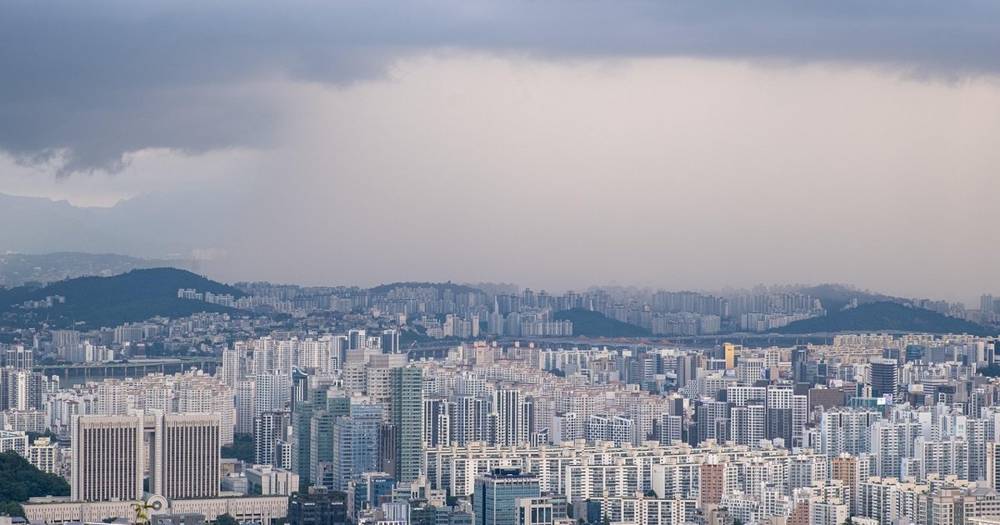
Food is where you can truly control your daily spending. Korea offers an incredible range of dining options, from budget-friendly street eats to upscale restaurants.
Street food is king for budget travelers. You can easily grab a filling meal for ₩3,000 - ₩8,000 ($2.25-$6 USD). Think tteokbokki, gyeranppang, or odeng. My go-to cheap lunch was often kimbap and a drink from a convenience store for about ₩5,000 ($3.75 USD).
For a casual local restaurant meal, expect to pay ₩8,000 - ₩15,000 ($6-$11 USD) per person. This covers popular dishes like bibimbap, sundubu jjigae, or a bowl of kalguksu. I had some fantastic pork bulgogi for ₩12,000 in a small eatery near Gyeongbokgung Palace.
If you're looking for a nicer dining experience or Korean BBQ, prices can jump to ₩20,000 - ₩40,000+ ($15-$30+) per person. Keep in mind that Korean BBQ is often best enjoyed with a group, as many places require ordering for at least two people.
Coffee shops are ubiquitous, with a regular Americano usually costing ₩4,000 - ₩6,000 ($3-$4.50 USD). I tried to limit my fancy coffee purchases to once a day to keep costs down.
Transportation: Getting Around Korea
Public transportation in Korea is incredibly efficient and affordable. A T-Money card is essential for seamless travel.
A single ride on the Seoul Subway or Bus generally costs ₩1,250 - ₩1,450 ($0.95-$1.10 USD) with a T-Money card. These prices are for standard distances; longer routes might incur slight additional charges. I spent about ₩5,000 - ₩8,000 ($3.75-$6 USD) on public transport daily, even with extensive sightseeing.
For inter-city travel, the KTX high-speed train is excellent but pricier. A one-way ticket from Seoul to Busan can range from ₩59,800 - ₩83,700 ($45-$63 USD) depending on the seat class and time of booking. For budget travelers, intercity buses are a much cheaper alternative, with Seoul to Busan costing around ₩25,000 - ₩35,000 ($19-$26 USD) and taking longer, about 4-5 hours.
Taxis are readily available but will quickly eat into your budget. A basic taxi fare starts at around ₩4,800 ($3.60 USD) in Seoul and increases by distance and time. I only used taxis when I was really tired or carrying heavy luggage, mostly for short distances costing ₩6,000 - ₩10,000 ($4.50-$7.50 USD).
Average Transportation Costs (2026)
- Seoul Subway/Bus (single ride with T-Money): ₩1,250 - ₩1,450
- KTX Seoul to Busan (one-way, standard): ₩59,800 - ₩83,700
- Intercity Bus Seoul to Busan (one-way): ₩25,000 - ₩35,000
- Local Taxi (short ride): ₩4,800 (base) + meter, typically ₩6,000 - ₩10,000 total
Activities & Sightseeing: What to Do
Many of Korea's best sights are free or very low cost, which is great for a budget traveler. Exploring traditional markets, walking along the Cheonggyecheon Stream, or hiking in a national park won't cost you a penny.
Palace entrance fees in Seoul, such as Gyeongbokgung Palace or Changdeokgung Palace, are usually around ₩3,000 - ₩5,000 ($2.25-$3.75 USD). I highly recommend getting the integrated pass for the four major palaces and Jongmyo Shrine for ₩10,000, which offers significant savings if you plan to visit them all.
Museums generally have entrance fees ranging from ₩5,000 - ₩15,000 ($3.75-$11 USD). The National Museum of Korea, however, offers free admission to its permanent exhibitions.
For unique experiences like a Nanta cooking show or an Everland/Lotte World theme park ticket, expect to pay significantly more, often ₩40,000 - ₩60,000+ ($30-$45+). I splurged on a DMZ tour for ₩70,000 ($53 USD), which was a full-day guided experience and worth every penny.
Consider purchasing a Discover Seoul Pass if you plan to visit many paid attractions within a short period. The 24-hour pass costs ₩50,000 ($38 USD) and includes access to over 50 attractions and public transport features. Evaluate your itinerary to see if it's cost-effective for you.
Miscellaneous Expenses: Hidden Costs
These are the little things that add up but are easy to overlook when planning your Korea travel budget per day.
- SIM Card/eSIM: Essential for navigation and staying connected. A 10-day unlimited data eSIM typically costs around ₩20,000 - ₩30,000 ($15-$22 USD). I purchased a 15-day unlimited data SIM at Incheon Airport for ₩27,500.
- Souvenirs: This is entirely up to you! Budget anywhere from ₩10,000 ($7.50 USD) for small trinkets to hundreds for cosmetics or clothing.
- Travel Insurance: Always a good idea. Costs vary widely based on coverage and duration, but budget at least $5-$10 USD per day.
- Snacks & Drinks: Convenience stores are great for this. A bottle of water is about ₩1,000 ($0.75 USD), and a small snack is ₩1,500 - ₩3,000 ($1.15-$2.25 USD).
- Healthcare: For minor ailments, a basic over-the-counter medication might cost ₩5,000 - ₩10,000 ($3.75-$7.50 USD). For anything more serious, travel insurance is crucial.
I found myself buying a lot of bottled water and small snacks, which added about ₩5,000 ($3.75 USD) to my daily expenses. It's easy to underestimate these minor purchases, but they can significantly impact your overall budget if you're not careful.
Smart Saving Tips for Your Korea Budget
Even if you're aiming for a comfortable trip, there are always ways to trim costs without sacrificing the experience.
- Utilize Convenience Stores: CU, GS25, and 7-Eleven are your best friends. They offer cheap, delicious meals (kimbap, instant noodles, pre-made bentos) and drinks.
- Embrace Street Food: Not only is it budget-friendly, but it's also an integral part of Korean culture. Don't be afraid to try new things!
- Walk Whenever Possible: Many major attractions in cities like Seoul are within walking distance of each other. This saves money on transport and lets you discover hidden gems.
- Look for Free Activities: Visit temples, explore parks, enjoy performances at cultural centers (often free), and wander through vibrant neighborhoods like Hongdae or Insadong.
- Travel Off-Peak: If your schedule allows, avoiding peak season (spring/fall) can lead to lower accommodation and flight prices.
- Consider a Korea Pass: If you plan a lot of intercity travel, a Korea Rail Pass (KORAIL Pass) can be a cost-effective option for unlimited KTX rides over a set number of days.
- Group Dining: Many Korean dishes are served family-style. Eating with friends can make Korean BBQ or a large hot pot more affordable per person.
During my trip, I purposefully alternated between a sit-down meal and street food for my main meals. This allowed me to experience various cuisines without breaking the bank. Skipping expensive cafes and sticking to local coffee chains or convenience store coffee also saved a significant amount over two weeks.
Frequently Asked Questions
Korea can be moderately expensive, similar to Western European countries or Japan, but it's definitely possible to travel on a budget. Major cities like Seoul are pricier, while rural areas or smaller cities like Busan can offer more affordable options for food and accommodation. My daily average of $90 USD for a mid-range trip in 2026 shows it's manageable.
While credit cards (especially Visa/Mastercard) are widely accepted, it's a good idea to carry some cash for street food vendors, smaller shops, and some local markets. I recommend exchanging about ₩50,000 - ₩100,000 ($38-$75 USD) upon arrival and withdrawing more from ATMs if needed. ATMs are widely available, especially in major cities.
Yes, absolutely! The T-Money card is incredibly versatile and can be used for public transportation (subway, bus, some taxis) in Seoul and most major cities across South Korea, including Busan, Gyeongju, and Jeju Island. It's also accepted at many convenience stores and some vending machines, making it super convenient. I used mine successfully in all three cities I visited.
The cheapest ways to eat are street food, convenience store meals (kimbap, instant noodles, triangle gimbap), and local gukbap (soup with rice) restaurants. You can easily get a filling meal for under ₩8,000 ($6 USD) using these options. Cooking your own meals in hostels with kitchen facilities can also save money if you're staying for an extended period.
Ready to Plan Your 2026 Korea Adventure?
Understanding your Korea travel budget per day is the first step to a stress-free trip. I hope my breakdown helps you visualize your own spending. With smart planning, delicious food, and efficient transport, you'll have an incredible time without breaking the bank. Let me know in the comments if you have any other budget questions!
🗺️ Start Your Korea Planning