
Korea Travel Guide 2026: 12 First-Timer Tips I Wish I Knew
During my first trip to Seoul, I stood at a subway turnstile for ten minutes because my international credit card wouldn't tap, while a queue of hurried commuters gathered behind me. It was a stressful introduction to an otherwise incredible country.
To help you avoid the same frantic panic, I compiled this practical south korea travel blog 2026 edition. These are the exact tactical lessons, digital tools, and cultural quirks that will save your budget and sanity.
1. Crucial Digital Apps You Must Download
Google Maps is virtually useless for walking directions in South Korea due to national security regulations on spatial data. If you try to use it, you will likely get lost or end up walking in circles.
You need to download local navigation software before you touch down at Incheon Airport. These tools will make your daily explorations seamless.
- Naver Map: The absolute best tool for walking paths, real-time bus arrivals, and finding specific restaurant entrances.
- KakaoT: The Korean equivalent of Uber. You can link your international credit card to hail registered taxis easily.
- Papago: The most accurate translation app for Korean. It handles image translations of menus far better than Google Translate.
2. Navigating Public Transit and T-Money Cards
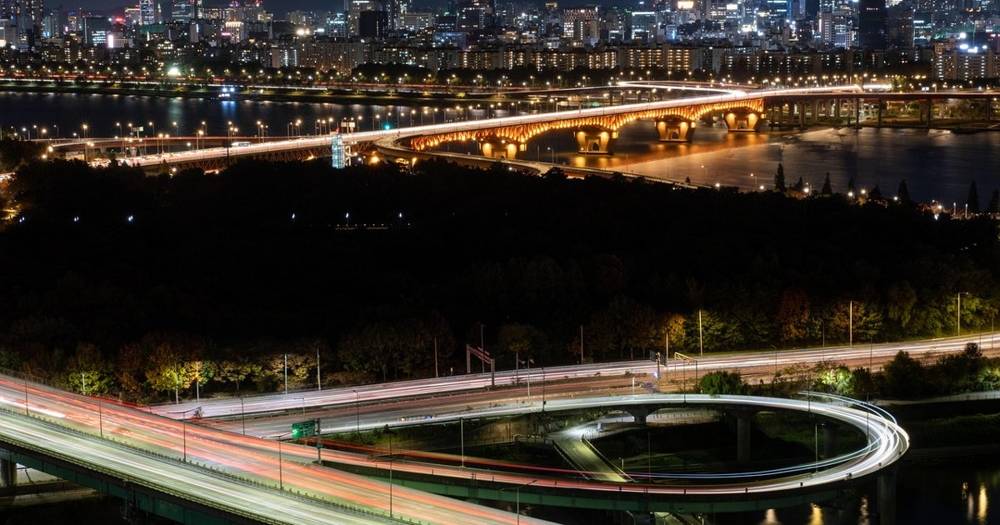
The public transportation system in South Korea is clean, fast, and incredibly cheap. However, you cannot pay for individual subway or bus rides with standard international credit cards at the gate.
You need a physical transit card, most commonly called a T-Money Card. You can purchase these at any convenience store inside the airport terminal.
- Buy a physical T-Money card at 7-Eleven, CU, or GS25 for about 3,000 to 5,000 KRW.
- Locate the physical reload kiosks inside any subway station.
- Insert your card, select English, and load it with cash. Note: These machines do not accept credit cards for top-ups.
- Tap on when entering transit and tap off when exiting to ensure you get transfer discounts.
Keep in mind that children and youth get discounted transit rates. You must ask the convenience store cashier to register the card with your child's birthdate upon purchase to unlock these rates.
3. Cash vs. Card: The 2026 Payment Landscape
South Korea is highly digitized, and you can pay with your international credit card at 95% of established brick-and-mortar shops. However, going completely cashless is a recipe for trouble.
Street food stalls, traditional markets like Gwangjang, and subway lockers still require physical Korean Won. I keep a minimum of 50,000 KRW in cash on me at all times.
| Expense Category | Preferred Payment Method | Average Cost (2026) |
|---|---|---|
| Subway / Bus Fare | T-Money Card (Cash Only Top-up) | 1,400 - 2,000 KRW per ride |
| Sit-down Dining | International Credit Card (Visa/Mastercard) | 10,000 - 25,000 KRW per person |
| Street Food Markets | Physical Cash (Korean Won) | 4,000 - 8,000 KRW per item |
| High-Speed KTX Train | Online Booking / Credit Card | 50,000 - 60,000 KRW (Seoul to Busan) |
4. Local Etiquette Rules You Cannot Ignore
Koreans are incredibly polite and generally forgiving of foreign tourists. However, following a few simple cultural rules will show respect and guarantee warmer interactions with locals.
The most important rule involves public transport behavior. Avoid speaking loudly on trains, and never sit in the designated seats for the elderly, pregnant, or disabled, even if the train is completely empty.
When paying for items or receiving change, try to use both hands to hand over your cash or card. It is a subtle gesture of respect that older store owners appreciate immensely.
5. SIM Cards, eSIMs, and Portable Wi-Fi
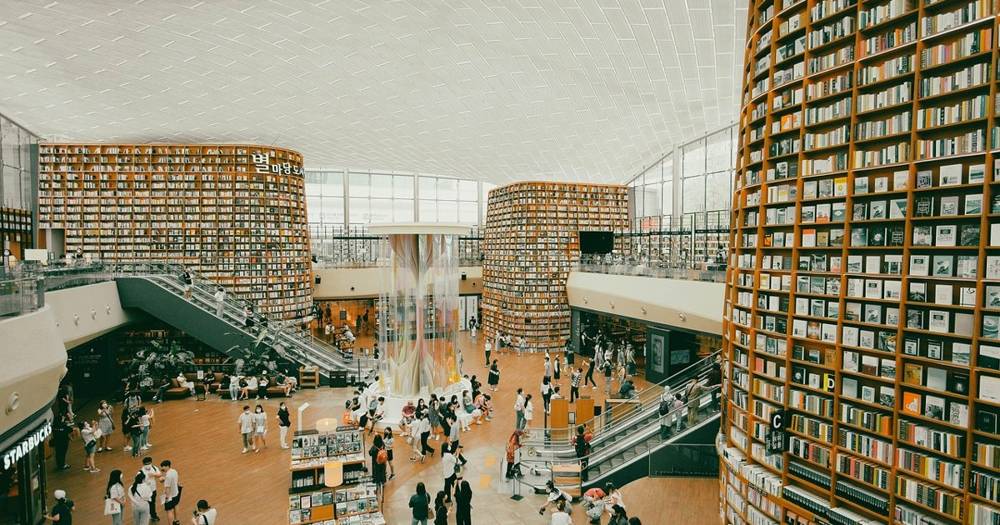
Staying connected is vital when you rely on translation and mapping apps to navigate. You have three main options for mobile data: eSIM, physical SIM, or a portable Wi-Fi egg.
I highly recommend getting an eSIM if your phone supports it. You can purchase and install it before you fly, meaning you will have instant data the second your plane touches the runway.
- eSIM: Best for solo travelers. Cheap, convenient, and requires no physical card swaps.
- Physical SIM: Great if your phone is locked or older. You can pick these up at airport counters.
- Wi-Fi Egg: Ideal for families or groups traveling together who want to share a single connection.
This south korea travel guide 2025 setup tip will keep your data speeds fast. Korean networks are among the speediest in the world, so you will rarely face dead zones.
6. Weather-Specific Packing Essentials
South Korea experiences four distinct seasons, each requiring completely different gear. Spring and autumn are brief but beautiful, while summers are intensely humid and winters are freezing cold.
If you visit during July or August, prepare for the monsoon season. Packing a high-quality, windproof umbrella and waterproof shoes is non-negotiable.
For winter travel between December and February, a long padded down jacket (known locally as a "long padding") is survival gear. The wind chill coming off the mountains can drop temperatures well below freezing.
Frequently Asked Questions
No, tipping is not practiced in South Korea. In fact, leaving extra cash on the table might cause confusion, and staff may chase you down to return the money you forgot.
While Google Maps can sometimes show basic subway routes, it frequently displays inaccurate schedules and lacks precise walking pathways. Stick to Naver Map or KakaoMap for accuracy.
Public trash cans are notoriously hard to find in Seoul. It is best to carry a small plastic bag in your daypack to store your garbage until you return to your hotel or spot a convenience store bin.
Ready to Explore South Korea?
Planning ahead makes all the difference when visiting this tech-forward destination. If you found this korea travel tips 2025 guide helpful, please share your thoughts or ask questions in the comments section below!
