
Korea Travel Guide 2026: The Ultimate Itinerary Builder
Planning a trip to South Korea can feel overwhelming with so much to see and do. When I first started researching for my own adventure, I quickly realized that a solid plan, but also some flexibility, was key to enjoying everything. This Korea travel guide 2026 focuses on helping you build an itinerary that fits your style, whether you're into bustling cities, serene temples, or delicious street food.
I've structured this guide to make planning easier, offering practical advice and a sample itinerary you can adapt. You'll find tips on everything from getting around to finding unique experiences. Let's make your Korean journey unforgettable!
Essential Pre-Trip Planning
Before you even think about packing, there are a few crucial steps for your Korea travel guide 2026. Getting these right will save you a lot of hassle once you're on the ground. I learned this the hard way after almost forgetting my visa application!
First off, check your passport validity and any visa requirements for South Korea. Many countries enjoy visa-free entry for short stays, but it's always best to confirm with the official Korean embassy website for your nationality. Don't assume anything, as rules can change.
Consider travel insurance. While Korea is a very safe country, unexpected medical emergencies or trip cancellations can happen. Comprehensive travel insurance provides peace of mind and financial protection. It's one of those things you hope not to use, but are immensely grateful for if you do.
Finally, start thinking about your trip length and budget. A typical first-time visit is usually 7 to 10 days, focusing on Seoul and perhaps one or two other cities. This helps you narrow down potential activities and keeps your spending in check.
Navigating South Korea: Transportation
Getting around South Korea is surprisingly efficient, especially in major cities. The public transportation system is top-notch, clean, and punctual. You'll primarily rely on a few key modes of transport.
For city travel, the T-Money card (or a similar transit card like Cashbee) is your best friend. You can buy and load these cards at convenience stores and subway stations. They work on subways, buses, and even some taxis, making payments incredibly convenient. Just tap and go!
When traveling between cities, South Korea's high-speed rail, the KTX train, is incredibly efficient. It connects major hubs like Seoul, Busan, and Gyeongju quickly and comfortably. Booking KTX tickets in advance, especially for popular routes or peak seasons, is highly recommended.
Don't overlook local buses for shorter distances or to reach areas not served by the subway. They are frequent and well-connected. For those seeking an exhaustive Korea travel guide pdf, many tourist information centers offer maps detailing local bus routes.
Where to Stay: Accommodation Options
South Korea offers a diverse range of accommodation options to suit every budget and travel style. From luxury hotels to unique cultural stays, you'll find something that fits your needs.
In Seoul, consider staying in areas like Myeongdong for shopping and nightlife, Insadong for traditional culture, or Hongdae for a vibrant, youthful atmosphere. Each neighborhood offers a distinct flavor and excellent access to public transport.
For a truly unique experience, I highly recommend trying a Hanok stay. These traditional Korean houses offer a glimpse into historical living, often with beautifully preserved architecture and serene courtyards. Many can be found in Seoul's Bukchon Hanok Village or Jeonju.
Budget travelers will find plenty of hostels and guesthouses, especially in popular tourist areas. These often come with communal spaces, which are great for meeting other travelers and exchanging tips, a common theme in any Korea travel guide Reddit discussion.
Sample 7-Day Korea Itinerary 2026
This flexible itinerary is a great starting point for your first trip to South Korea. It balances iconic sights with opportunities for local immersion. Feel free to adjust based on your interests!
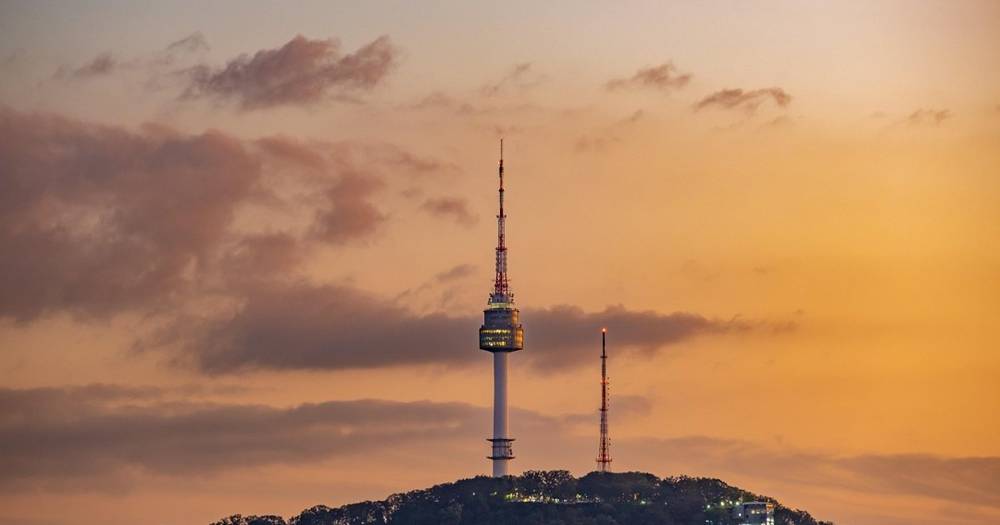
Day 1-3: Seoul - History & Modernity
- Day 1: Arrival & Historic Seoul. Settle into your accommodation. Explore Gyeongbokgung Palace, wear a Hanbok for photos, and wander through Bukchon Hanok Village. Enjoy dinner in Insadong.
- Day 2: Shopping & Entertainment. Dive into Myeongdong for shopping and street food. Visit Namsan Seoul Tower for panoramic city views. Catch a K-Pop performance or a Nanta show.
- Day 3: Culture & Youthful Vibes. Discover the vibrant Hongdae area, known for street art, live music, and trendy cafes. Explore the unique shops and galleries of Gangnam, maybe even visit Starfield Library.
Day 4-5: Gyeongju - Ancient Capital
- Day 4: Journey to Gyeongju. Take the KTX to Gyeongju, often called the "museum without walls." Visit Bulguksa Temple and Seokguram Grotto, both UNESCO World Heritage sites.
- Day 5: Royal Tombs & History. Explore Daereungwon Tomb Complex (Cheonmachong Tomb) and Anapji Pond. Cycle around the scenic countryside and learn about the Silla Dynasty.
Day 6-7: Busan - Coastal Charm
- Day 6: Seaside City. Travel by KTX to Busan, Korea's second-largest city. Visit Gamcheon Culture Village with its colorful houses and artistic alleys. Relax at Haeundae Beach.
- Day 7: Markets & Temples. Explore Jagalchi Fish Market for fresh seafood. Visit Beomeosa Temple, nestled in the mountains. Depart from Busan or take the KTX back to Seoul for your flight home.
Exploring Beyond Seoul
While Seoul is undoubtedly the heart of any Korea travel guide, venturing out reveals incredible diversity. I found that stepping away from the capital allowed me to experience a different pace of life and stunning natural beauty.
Jeju Island is a volcanic island paradise known for its unique lava tubes, beautiful beaches, and Hallasan National Park. It's a popular domestic tourist spot and offers a completely different vibe from the mainland. Think hiking, scenic drives, and fresh seafood.
For those interested in winter sports or nature, the Gangwon-do province is fantastic. It hosted the PyeongChang Olympics and offers excellent skiing in winter and hiking opportunities in summer. The coastal towns here are also charming.
And if you're looking for an off-the-beaten-path experience, consider Jeonju, famous for its traditional Hanok Village and as the birthplace of bibimbap. It's a culinary and cultural gem that often gets overlooked by first-timers, but is well worth the visit.
Food & Local Culture Immersion
No Korea travel guide is complete without diving deep into the food. Korean cuisine is incredibly diverse, flavorful, and a huge part of the cultural experience. Don't be shy; try everything!
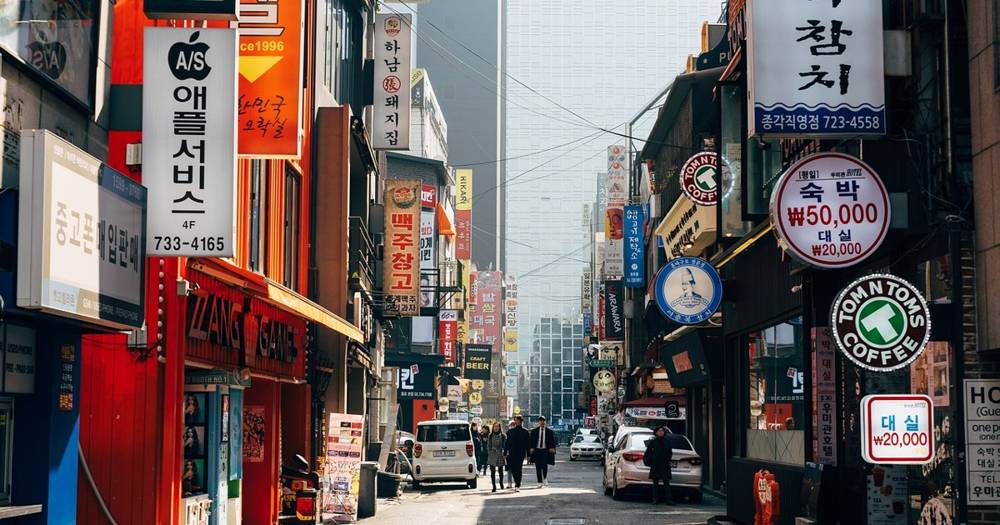
Street food is an absolute must-try. From Tteokbokki (spicy rice cakes) to Eomuk (fish cakes on skewers) and Hotteok (sweet pancakes), the street vendors offer an endless array of delicious, affordable bites. Myeongdong and Hongdae are great places to start your street food adventure.
Dining etiquette is also interesting to observe. It's common to share dishes in a group, and side dishes (banchan) are usually refillable. Don't lift your rice bowl off the table, and pour drinks for others, especially elders, before yourself. These small gestures show respect and appreciation.
Beyond food, try to catch a traditional performance or visit a local market. The energy and authenticity are unparalleled. I loved wandering through Gwangjang Market in Seoul, not just for the food, but for the lively atmosphere and glimpse into daily life.
Staying Connected: SIM Cards & Wi-Fi
Staying connected in South Korea is incredibly easy, which is a huge relief when you're trying to navigate or share your experiences. I recommend arranging your connectivity before you even land.
The most convenient option is purchasing a local SIM card or renting a portable Wi-Fi egg upon arrival at Incheon International Airport (ICN). Both are readily available from major providers like KT, SK Telecom, and LG U+. SIM cards are great if you have an unlocked phone and need constant data and calls.
A Wi-Fi egg is perfect if you're traveling with a group or have multiple devices. It provides a personal hotspot that everyone can connect to. Just remember to charge it daily! I typically opt for a SIM card as it's one less device to carry.
Furthermore, South Korea has excellent free public Wi-Fi almost everywhere, from subway stations to cafes and major tourist sites. While reliable, having your own data ensures you're never without access, especially when you're in a pinch trying to find directions.
Frequently Asked Questions
For first-time visitors, a comprehensive guide like "Lonely Planet Korea" or "Rough Guide to Korea" is often recommended. They offer detailed historical context, practical tips on transport and accommodation, and suggested itineraries. However, for the most up-to-date information, combining a good physical guide with online resources like this Korea travel guide 2026 is ideal.
The best way to get around Seoul and other major Korean cities is by using the excellent public transportation system, primarily the subway and buses. Purchase a T-Money card upon arrival for seamless payments. For navigation, download local apps like Naver Map or KakaoMap, as Google Maps has limited public transport data in Korea.
In major tourist areas of Seoul and other large cities, you'll find English speakers, especially among younger generations and in hotels, large shops, and tourist information centers. However, outside these areas, English proficiency can be limited. Having a translation app like Papago on your phone is highly recommended for smoother communication. Learning a few basic Korean phrases also goes a long way!
Ready for Your Korean Adventure?
Crafting your perfect Korea travel guide for 2026 is all about balancing iconic sights with personal interests. I hope this itinerary builder gives you a solid foundation to plan an incredible trip. South Korea truly offers something for everyone, from its vibrant cities to its serene temples and breathtaking landscapes.
Remember to stay flexible and embrace spontaneous discoveries – those often make the best memories! What are you most excited to see or do in Korea? Share your thoughts and questions in the comments below, and let's help each other build the ultimate itineraries!
