
Korea Travel Guide 2026: My Unforgettable First-Timer Journey
Stepping off the plane in Seoul, I felt a mix of excitement and mild panic – this was my first solo international trip, and it was to South Korea! If you're planning your own adventure, especially as a first-timer, you're in the right place. This Korea travel guide 2026 shares everything I learned, from navigating public transport to finding the best street food, so you can have an incredible experience without the jitters I initially felt.
I dove headfirst into planning, poring over countless blogs and even some old-school physical guide books. What I found was a treasure trove of information, but also a lot of conflicting advice. My goal here is to distill it all down, giving you practical, actionable tips for your trip, focusing on what genuinely helped me as a newcomer.
Getting Around: Transportation Essentials
Navigating a new country's transportation system can be daunting, but Korea's is incredibly efficient. My initial fear quickly turned into admiration for their seamless subway and bus networks. The T-Money card is your absolute best friend here; it works on subways, buses, and even some taxis and convenience stores.
I bought mine at a convenience store right at Incheon Airport and topped it up immediately. Don't underestimate how much time it saves just tapping and going, rather than fumbling for cash or individual tickets. For longer distances, the KTX high-speed train is fantastic, connecting major cities like Seoul, Busan, and Gyeongju rapidly.
For getting around within cities, here are my top picks:
- Subway: Incredibly extensive and easy to use in Seoul and Busan. Stations are well-signed in English.
- Buses: Great for local routes, though slightly more complex if you don't read Korean. Google Maps or Naver Map can help here.
- Taxis: Readily available and reasonably priced, especially for short distances or late at night. Apps like Kakao Taxi work well.
I found the combination of subway and occasional taxis to be perfect for my urban explorations. Just make sure your phone is charged for navigation!
Accommodation Picks: Where to Stay
Korea offers a diverse range of accommodation, catering to every budget and style. I was keen to try a traditional stay, but also wanted the convenience of a modern hotel. For my first visit, I decided to split my time between a bustling city center hotel and a charming guesthouse.
Seoul, of course, has endless options. I stayed near Myeongdong for easy access to shopping and food, but areas like Hongdae (vibrant, youth-focused) or Insadong (cultural, traditional) are also popular. When I was researching my Korea travel guide reddit threads suggested trying a Hanok stay.
My advice? Consider your priorities. For nightlife and trendy cafes, Hongdae is unbeatable. For history and quiet charm, Bukhansan Hanok Village is a dream. Budget travelers will find plenty of hostels, while those seeking luxury won't be disappointed by Seoul's high-end hotels.
Foodie Paradise: Must-Try Korean Dishes
Prepare your taste buds, because Korean food is an absolute highlight! My trip turned into a culinary adventure, from sizzling BBQ to comforting stews. Don't be shy; dive into everything, even if you're unsure what it is. I promise you'll find new favorites.
Here are some dishes I couldn't get enough of:
- Korean BBQ (Samgyeopsal): Grilling pork belly at your table is a quintessential experience. Wrap the meat in lettuce with garlic and kimchi – pure bliss.
- Bibimbap: A colorful bowl of rice, mixed vegetables, meat (optional), and a fried egg, all mixed with spicy gochujang. It's healthy and delicious.
- Kimchi Jjigae: A spicy, savory stew made with kimchi, tofu, and pork. Perfect for a chilly evening.
- Tteokbokki: Chewy rice cakes smothered in a spicy, sweet gochujang sauce. Find it everywhere, especially from street vendors.
- Kimbap: Korean rice rolls, similar to sushi but without raw fish, filled with various ingredients. Great for a quick snack or lunch.
Don't forget the incredible street food! From hotteok (sweet pancakes) to odeng (fish cakes on a skewer), wandering through markets like Gwangjang Market was a feast for the senses. I even tried live octopus once – a definite experience!
Cultural Experiences: Beyond the K-Pop
While K-Pop and K-Dramas are global phenomena, Korea's rich history and deep-seated traditions offer so much more. I made sure to balance modern city exploration with dives into ancient palaces and serene temples. It provides a wonderful contrast.
My personal highlight was visiting Gyeongbokgung Palace, especially the changing of the guard ceremony. It truly transports you back in time. Wearing a Hanbok (traditional Korean dress) while strolling through the palace grounds is a popular and very photogenic activity, and I definitely recommend it.
Other enriching experiences include:
- Bukchon Hanok Village: Wander through traditional Korean houses.
- Namsan Hanok Village: Another beautiful spot for traditional architecture.
- Jjimjilbang (Korean Spa): A unique cultural experience involving saunas, hot tubs, and relaxation rooms. I spent an entire afternoon here, scrubbing away the travel fatigue.
- Temple Stays: For a deeper dive into Buddhist culture, consider an overnight temple stay. This is high on my list for my next visit.
Even small gestures, like observing bowing etiquette or trying to use basic Korean phrases, show respect and can lead to warmer interactions with locals. A little effort goes a long way!
Shopping & Souvenirs: What to Buy
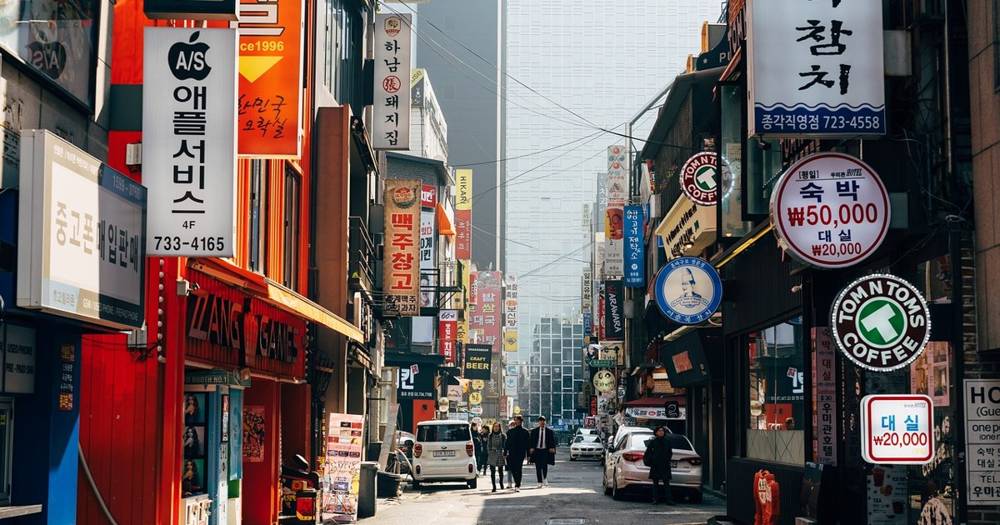
From trendy fashion to unique traditional crafts, shopping in Korea is an adventure in itself. I initially thought I'd just pick up a few small things, but my suitcase somehow expanded! Myeongdong is a must-visit for skincare and cosmetics, with endless shops offering samples and deals.
For more traditional souvenirs, Insadong is the place to be. You'll find beautiful ceramics, handmade paper goods, and traditional teas. I picked up some gorgeous celadon pottery there. Dongdaemun Design Plaza (DDP) is fantastic for modern design and late-night shopping, though it can be a bit overwhelming with its sheer scale.
What I found truly unique:
- K-Beauty products: Sheet masks, serums, cushion foundations – they're often cheaper and more widely available than back home.
- Korean snacks: Honey butter chips, seaweed snacks, spicy ramen – perfect edible souvenirs.
- Traditional crafts: Fans, lacquerware, embroidered items, and Hanbok-inspired accessories.
- Stationery: Korea has incredible, adorable stationery stores with unique designs.
Remember to keep an eye out for tax-free shopping opportunities, especially in larger department stores. It can save you a good chunk of change on bigger purchases.
Tech Tips: Staying Connected
In 2026, staying connected in Korea is incredibly easy, and it really enhances your travel experience. I relied heavily on my phone for navigation, translation, and keeping in touch. Don't underestimate the importance of a good data plan or Wi-Fi access.
Here’s what I found essential:
- Portable Wi-Fi Egg or eSIM: I opted for an eSIM, which was super convenient. You can also rent a portable Wi-Fi device at the airport. Data is generally fast and reliable.
- Naver Map/Kakao Map: Google Maps works for public transport routes, but for walking directions and local businesses, these Korean apps are far superior. Download them before you go!
- Papago Translate: A fantastic translation app for Korean. It handles spoken word, text, and even image translation better than Google Translate for Korean.
- KakaoTalk: The dominant messaging app in Korea. While not essential for tourists, it's good to have if you need to contact local services or new friends.
Public Wi-Fi is surprisingly widespread, especially in cafes and subway stations, but having your own reliable data connection gives you peace of mind. Charge your devices every night!
Money Matters: Budgeting & Currency
Understanding the local currency and managing your budget is crucial for a stress-free trip. The currency is the Korean Won (₩). While cards are widely accepted, having some cash on hand for street food, small shops, or rural areas is always a good idea.
I found ATMs readily available, especially at banks and convenience stores like GS25 and CU. Do check with your bank about foreign transaction fees before you leave. My bank had a partner in Korea, which saved me quite a bit on withdrawal fees.
When thinking about your Korea travel guide book or online resources, budgeting always comes up. My personal budgeting insights for a moderate traveler:
- Accommodation: ₩50,000 - ₩150,000 per night (hostel to mid-range hotel)
- Food: ₩30,000 - ₩60,000 per day (street food to sit-down meals)
- Transportation: ₩10,000 - ₩20,000 per day (T-Money card top-ups)
- Activities/Entrance Fees: ₩10,000 - ₩30,000 per day (palaces, museums, etc.)
These are rough estimates, and your actual spending will depend heavily on your travel style. I found that I could eat very well on a budget by sticking to local eateries and street food, which was also a fantastic cultural experience.
Frequently Asked Questions
For first-timers in 2026, the best Korea travel guide combines practical tips with cultural insights. I found a mix of online resources (like this one!) and official tourism websites to be most helpful, alongside insights from fellow travelers on Reddit. Focus on easy transportation, essential apps, and basic cultural etiquette.
While a good Korea travel guide book can offer comprehensive overviews, I personally found online resources more dynamic and up-to-date for 2026. Websites, blogs, and even YouTube channels provide real-time information, currency rates, and the latest opening hours. A physical book might be nice for offline reference, but supplement it with current online info for the best experience.
Yes, absolutely! Major tourist areas, subway stations, and popular attractions often have English signage. With essential apps like Naver Map and Papago Translate, you can navigate, order food, and communicate basic needs quite effectively. Many younger Koreans also speak some English, especially in Seoul. Don't let the language barrier deter you!
Spring (April-May) and Autumn (September-November) are generally considered the best times to visit Korea. Spring offers beautiful cherry blossoms and mild weather, while autumn boasts stunning fall foliage and comfortable temperatures. Summer can be hot and humid with monsoon rains, and winter is quite cold, especially outside of major cities.
Ready for Your Korea Adventure in 2026?
I hope my personal journey provides a solid foundation for your own unforgettable trip to South Korea. It's a country that blends ancient traditions with futuristic innovation seamlessly, offering something truly special for every traveler. Don't be afraid to step outside your comfort zone and embrace the unexpected!
Have you been to Korea, or are you planning a trip soon? Share your tips or questions in the comments below – I'd love to hear about your experiences and help where I can!
✈️ Start Planning Your Trip!