Korea Travel Guide 2026: Navigating Culture and Cuisine
If you're dreaming of a trip to South Korea in 2026, you're in for an incredible experience. This country is a captivating blend of ancient traditions and futuristic innovation, all wrapped up in a vibrant culinary scene that will leave you wanting more.
I remember my first visit; I was overwhelmed by the sheer variety of things to see and eat. This Korea travel guide aims to cut through the noise, helping you truly immerse yourself in the local culture and savor every bite.
Planning Your 2026 Korea Trip
Starting your preparations for a Korea travel guide 2026 trip involves more than just booking flights. Think about the season you want to visit; spring and autumn offer pleasant weather, while summer can be hot and humid, and winters are cold but magical.
Visas are usually straightforward for many nationalities, but always double-check the latest requirements on the official Korean embassy website for your country. It's crucial to confirm this well in advance of your departure date.
Currency is the Korean Won (KRW). While credit cards are widely accepted, carrying some cash is always a good idea, especially for smaller street vendors or rural areas. I always make sure to have at least ₩50,000 in my wallet.
Budgeting Essentials for Korea
Korea can be surprisingly budget-friendly, depending on your style. Accommodation ranges from hostels to luxury hotels, and food can be incredibly cheap from street stalls or quite pricey at upscale restaurants.
I find that a daily budget of about $70-100 USD (₩95,000-₩135,000) covers basic accommodation, food, and public transport comfortably, excluding major excursions or shopping sprees. This estimate can help you build your personal Korea travel guide budget.
- Best Seasons: Spring (April-May) and Autumn (September-October) for mild weather.
- Visa: Check your country's requirements with the Korean Embassy.
- Currency: Korean Won (KRW); carry cash for small purchases.
- Average Daily Budget: $70-100 USD for basic needs.
Essential Cultural Etiquette
Understanding Korean cultural norms can greatly enhance your trip and show respect to locals. Simple gestures go a long way.
Bowing is a common greeting, though a slight head nod is usually sufficient for foreigners. When receiving or giving something, especially money or business cards, always use both hands as a sign of respect. This small detail can make a big difference.
When dining, wait for the eldest person at the table to start eating before you do. Don't stick your chopsticks upright in your rice bowl, as this resembles ancestral rites. It's also considered polite to refill others' drinks before your own.
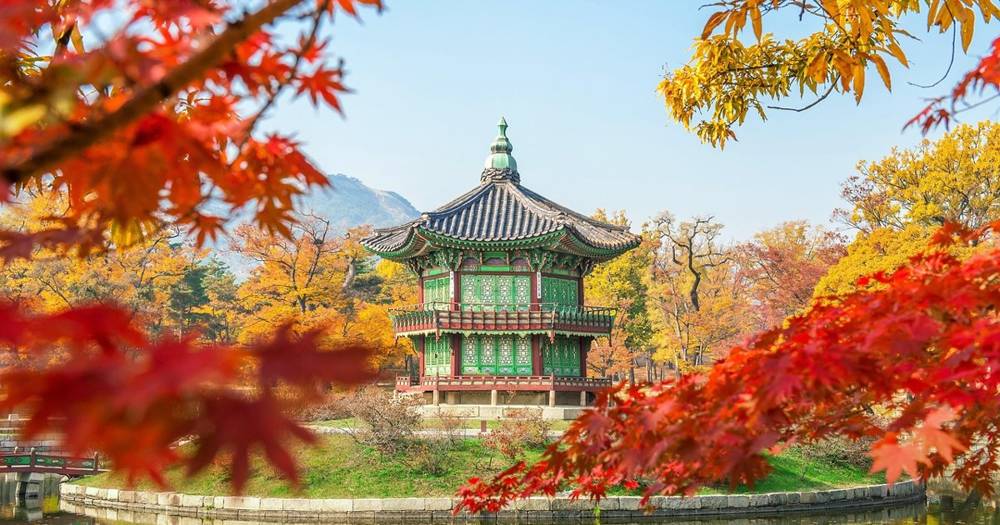
Public Behavior and Dress
Koreans generally value modesty and order. While dress codes aren't overly strict, avoiding overly revealing clothing, especially in temples or traditional areas, is a good idea. Casual smart is usually safe.
In public, try to keep your voice down, especially on public transport. Pushing or being overly loud can be seen as impolite. Observing how locals behave can offer the best cues, which is something I always try to do.
Your Culinary Adventure Awaits
Korean food is a highlight for many visitors, and for good reason! It’s a vibrant mix of spicy, savory, and sweet flavors, often accompanied by numerous side dishes called banchan. Don't be shy; try everything!
Street food is an absolute must. Areas like Myeongdong in Seoul or Busan's BIFF Square offer an overwhelming array of delicious, affordable bites. I still dream about the tteokbokki (spicy rice cakes) I had there.
Traditional Korean restaurants often feature communal dining, where dishes are shared. It's a fantastic way to sample many different flavors. Don't worry if you don't speak Korean; many places have English menus or picture menus.
Korean Cafe Culture
Beyond traditional meals, Korea boasts an incredible cafe culture. From quaint, themed cafes to bustling chains, you'll find places to relax, work, and enjoy unique drinks and desserts. Cafes are social hubs, perfect for people-watching.
I find some of my favorite moments are just sitting in a small local cafe, sipping on an iced americano, and watching the world go by. It’s a great way to recharge between sightseeing.
Must-Try Korean Dishes
When you put together your Korea travel guide, make sure to list these culinary delights. You simply can't leave Korea without trying them.
From sizzling BBQ to comforting stews, the diversity is astounding. Here are some of my personal favorites that I recommend to everyone visiting:
- Kimchi Jjigae: A spicy, hearty stew made with kimchi, tofu, and pork. Perfect on a cold day.
- Bibimbap: A colorful bowl of rice topped with sautéed vegetables, meat, and a fried egg, mixed with gochujang (chili paste).
- Korean BBQ (Samgyeopsal/Galbi): Grilling various cuts of pork belly or marinated beef at your table. An interactive and delicious experience.
- Tteokbokki: Chewy rice cakes cooked in a spicy, sweet gochujang sauce, often with fish cakes and boiled eggs. A quintessential street food.
- Japchae: Sweet potato glass noodles stir-fried with vegetables and meat, seasoned with soy sauce and sesame oil.
- Kimbap: Seaweed rice rolls similar to sushi, but with different fillings like pickled radish, egg, and ham. Great for a quick snack.
Getting Around: Transportation Tips
Navigating Korea is remarkably efficient, especially in major cities. The public transportation system is world-class, clean, and incredibly punctual. As a part of your korea travel guide 2026, understanding this is key.
For city travel, the T-Money card is your best friend. It's a reloadable public transport card that works on subways, buses, and even some taxis and convenience stores. You can buy and top it up at subway stations or convenience stores like GS25 or CU. It simplifies everything.
The subway systems in Seoul and Busan are extensive and have excellent English signage and announcements. Google Maps works well for directions, but local apps like Naver Map or KakaoMap often provide more detailed public transport information in Korea.
Intercity Travel in Korea
For traveling between cities, Korea offers excellent options. The KTX high-speed rail is fast, comfortable, and highly recommended for covering long distances quickly, like from Seoul to Busan. It's a fantastic experience.
Alternatively, express and intercity buses are a more budget-friendly option and serve almost every corner of the country. They are also very comfortable, often with spacious seating. I've taken many overnight buses, and they've always been reliable.
Beyond Seoul: Off-the-Beaten-Path
While Seoul is vibrant and exciting, don't limit your korea travel guide to just the capital. Korea offers so much more to explore. Stepping outside of Seoul provides a deeper look into the country's diverse landscapes and regional cultures.
Consider visiting Busan, a bustling port city known for its beautiful beaches, fresh seafood markets, and vibrant cultural villages like Gamcheon. It has a completely different vibe from Seoul.
For history buffs, Gyeongju is the ancient capital of the Silla Kingdom, filled with UNESCO World Heritage sites, royal tombs, and temples. It feels like stepping back in time, and it's incredibly peaceful. I highly recommend spending a few days here.
Nature and Relaxation
If you're looking for natural beauty, Jeju Island, often called the "Hawaii of Korea," offers volcanic landscapes, stunning coastlines, and unique local culture. It's a popular destination for hiking and relaxation.
The eastern coast offers picturesque beaches and charming small towns, perfect for a quiet getaway. Even a short trip to one of Korea's many national parks can offer refreshing hiking experiences and breathtaking views.
Many travelers find amazing insights from a korea travel guide reddit thread or a comprehensive korea travel guide book, but nothing beats experiencing these places firsthand. Each region has its own distinct charm.
Staying Connected and Safe
Staying connected in Korea is easy. You can rent a portable Wi-Fi egg at the airport or purchase a local SIM card. I usually go for a SIM card as it's often more convenient for calls and data on the go.
Korea is an incredibly safe country, with low crime rates. However, like anywhere, it's always wise to be aware of your surroundings, especially in crowded tourist areas. Keep your valuables secure.
Health and Emergencies
The healthcare system in Korea is excellent. Make sure you have travel insurance before you depart. In case of an emergency, dial 119 for ambulance and fire services, and 112 for police.
It's always a good idea to have a copy of your passport and visa details, either physical or digital, saved on your phone. This can be very helpful if your actual documents are misplaced.
Frequently Asked Questions
For first-timers, a comprehensive guide that covers practicalities like transportation, essential etiquette, and a mix of popular and lesser-known attractions is ideal. This current guide aims to be just that, focusing on immersing you in culture and cuisine. Online resources and forums like a good Korea travel guide Reddit thread can also provide real-time tips and recommendations.
Absolutely! While digital resources are abundant, a physical Korea travel guide book can be incredibly useful for offline access to maps and curated information. I often use a combination: a physical book for general planning and digital apps for real-time navigation and reviews. Look for updated editions for 2026 to ensure the information is current.
Budgeting in Korea is manageable with careful planning. Focus on public transportation, enjoy affordable street food, and consider staying in guesthouses or hostels. Look for free attractions like parks and historical sites. Using a T-Money card can help track transport expenses. My advice is to set a daily food budget and stick to it, allowing for occasional splurges.
To truly experience authentic Korean culture, try staying in a traditional Hanok guesthouse, participating in a temple stay, or taking a cooking class. Engaging with locals by learning a few Korean phrases also makes a huge difference. Don't shy away from visiting smaller cities or traditional markets outside of Seoul; that's often where the most genuine experiences lie.
Ready for Your Korean Adventure?
Planning your trip to Korea for 2026 should be an exciting journey, not a stressful one. By understanding its culture and diving headfirst into its culinary scene, you're not just visiting; you're truly experiencing this amazing country.
I hope this guide helps you create unforgettable memories. What part of Korea are you most excited to explore, or what dish are you eager to try? Share your thoughts below!
